
 bearoff
The joy of an unfinished game
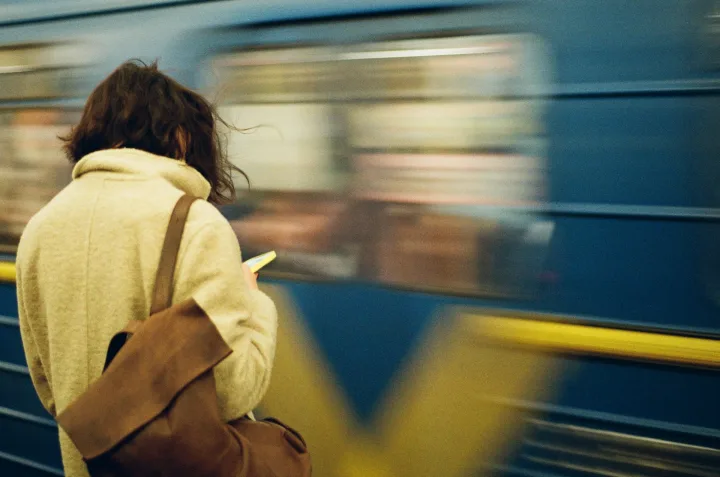
Why a game left in the middle is better than one you rush to the end.
There's a particular pleasure in a game you haven't finished. The board sits there with your checkers somewhere between trouble and safety. Nothing is decided. Everything is still possible.
We tend to treat unfinished things as a problem: the half-read book, the half-painted wall, the tab open since March. A game in progress is the happy exception.
It gives you something to look forward to
Most of what arrives on your phone wants dealing with. A waiting game is the rare thing that doesn't.
It isn't a task, and nothing bad happens if you leave it. It's a small pleasant thing sitting in the middle of your day, and you get to decide when to pick it up. That's a nicer kind of waiting than most.
Your brain keeps working on it anyway
You make a move, you put the phone down, and twenty minutes later, somewhere between the kettle and your inbox, your brain quietly offers: ah, but if they hit me there, I could anchor.
Nobody asked it to do that. It's the same instinct that makes a crossword clue solve itself in the shower.
It stretches a small thing into a long one
A game played in one sitting lasts twenty minutes. The same game, two moves a day, runs all week.
It's the same number of rolls, but it reaches into far more of your life: breakfast on Tuesday, the bus on Wednesday, ten seconds before bed on Thursday. The game is the same size, but the pleasure is spread much wider.
The comeback has time to brew
Hopeless positions feel different when you don't have to resolve them immediately.
Mid-game, mid-week, you have time to notice that you're not actually finished: you still have an anchor, they still have a checker to bring home, and a six would change everything. A game you can walk away from is one you're less likely to give up on.
The gap is where the other person lives
In a game played start to finish, your opponent is a sequence of moves. In a game that runs over days, they're a person with a life happening around their turns.
Their move arrives at lunchtime and you can picture the lunch. They go quiet for a day and then play something unreasonably good. The pauses aren't empty; they're the part where you remember there's someone there.
Nothing is lost by stopping
A film paused halfway loses something. A conversation cut off needs picking up again. A backgammon position loses nothing at all: the checkers stay exactly where you left them, and so does everything you'd worked out.
The game doesn't mind waiting. That's a rare quality in anything.
The short version
- An unfinished game is a pleasure, not an obligation.
- Your brain keeps working on the position for free.
- Two moves a day stretches twenty minutes across a week.
- Comebacks are easier to spot when you're not rushing.
- The pauses are where the other person becomes a person.
- A paused position loses nothing at all.
Fancy a game?
No password, no download - and your opponent can take their turn tomorrow.
Play in your browser
Angela
One of the top 10 sweetest people, probably. German by birth, delightfully unserious by nature. By day, she shapes stories; by night, she beats her boyfriend at backgammon and writes poetry.