
 bearoff
Games keep us connected
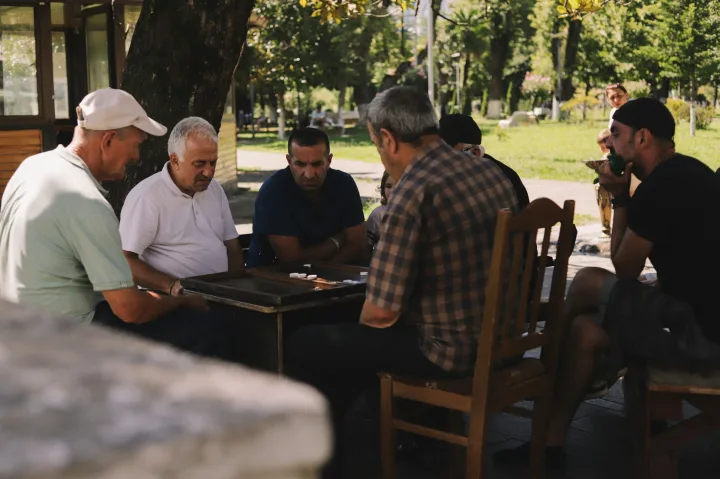
Remember how easy it was to play when you were a kid?
You’d grab a friend, pick a game and start.
Somewhere along the way, finding time to play and connect got complicated.
But if we let them, games still have a way of bringing us back to something simple: spending time with old friends and making new ones.
Why playing games together matters
Playing a game with someone makes being together feel easy. You have something to focus on, something to laugh about, something to get competitive about. And you don’t need to fill every second with conversation.
You can just show up as you are. No need to be interesting, entertaining or have something to say. You can have a great day, a terrible day, or no particular day at all. Just roll the dice and play.
Playing games together creates a shared experience. You pay attention to each other, make decisions together, laugh at unexpected moments and, for a little while, forget about everything else going on.
Games can make staying connected feel more natural. You don’t need a big occasion or a carefully planned evening. The game itself gives you a reason to spend time together.
Backgammon: a game built for connection
Backgammon has been doing this for a very long time. Across kitchen tables, in cafés, on holidays, in parks and wherever two people happen to have a board and a few minutes to spare.
You don’t have to be an expert to play. Each game can be as competitive, strategic or playful as you like.
Playing games online with friends
Life gets busy: Friends move to different cities. Work takes over. Time zones get in the way. “We should catch up soon” can stay on the to-do list for months.
Playing games online can help you reconnect in the moments in between.
The board no longer has to be sitting between you. Your opponent can be across the city, across the country or across the world.
And you don’t even have to play at the same time.
Play together, whenever you have a minute
With online games, you don’t have to find an hour when you’re both free. You simply take your turn when you have a minute. Your friend takes theirs when they have time. Over breakfast, on the train, between meetings, before bed.
You make your move, and the game waits for them. They make theirs, and it waits for you. A game might take a few hours, a few days or even longer. No rush, no pressure.
This is sometimes called asynchronous play: playing the same game together, just at different times.
One move can take less than a minute, but it creates a little thread between two people. And the game keeps going, even when everything else around it is busy.
It gives you a reason to come back.
A shared game also gives conversations somewhere to start. You don’t always have to ask, “How are you?” You can talk about the game instead. Complain about the dice, celebrate a surprising comeback, or tease each other about a terrible move.
Games connect people
Across a table. Across a room. Across a city. Across the world.
How we play may have changed, but the idea hasn’t. It’s still about making time for each other.
Staying connected doesn’t always need a long conversation or a perfectly coordinated evening. You just need to make a move.
Invite your friends to play.
Fancy a game?
No password, no download - and your opponent can take their turn tomorrow.
Play in your browser
Angela
One of the top 10 sweetest people, probably. German by birth, delightfully unserious by nature. By day, she shapes stories; by night, she beats her boyfriend at backgammon and writes poetry.